

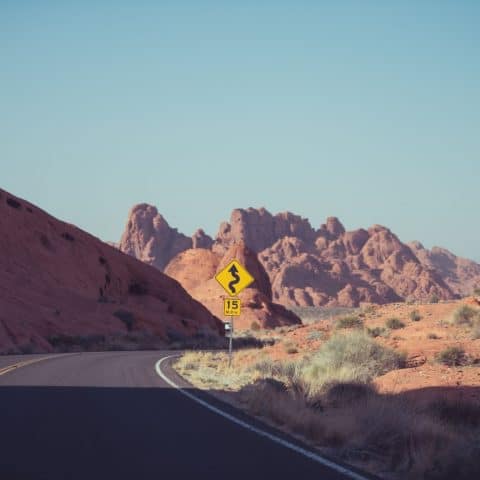
6ème pays au monde en termes de superficie, l’Australie est un pays en majorité désertique, en dehors des bordures est et sud, au climat tempéré. En attendant votre prochain séjour, LEC vous parle de la si particulière géographie de l’Australie.
Le relief : un pays peu élevé en altitude
L’altitude moyenne du pays est de 210 mètres et le plus haut sommet, le mont Kościusko, culmine à 2 228 mètres seulement. La Cordillère australienne court de la presqu’île d’York jusqu’à la Tasmanie. Ses hauteurs forment notamment des plateaux entaillés par des vallées profondes. Au sud s’étale le plateau calcaire de Nullarbor, et au sud-ouest l’étroite plaine de Swanland ; cette partie occidentale de l’Australie est l’une des plus vieilles terres du globe.
Climat et faune de l’Australie
On distingue plusieurs zones climatiques en Australie, du fait de sa grande taille – c’est la 1ère île du monde en superficie. La zone la plus étendue est, au centre, la zone aride : les températures y sont élevées et les précipitations, très faibles. Le long de la côte orientale, on passe progressivement du climat tempéré à un climat subtropical et, dans le Queensland, au véritable climat tropical. La faune qui s’y épanouit est extrêmement originale : on y trouve échidnés et ornithorynques, kangourous et wallabys, ou encore perroquets et émeus.
La flore de la géographie de l’Australie
En Australie, la véritable forêt n’existe que dans les zones bien arrosées de l’est et du sud-ouest : y poussent des enchevêtrements d’arbres, d’épiphytes et de lianes, ou bien de somptueux eucalyptus. Les Australiens parlent d’open forest pour désigner leurs forêts clairsemées et de grassland pour qualifier leur savane. Toute la végétation naturelle de l’île a été profondément transformée par la colonisation européenne : aujourd’hui, la totalité des plantes cultivées vient d’outre-mer.