
Au mois de juillet comme au mois d’août, notre organisme vous propose de partir en Angleterre pour progresser dans la langue de Shakespeare… tout en vivant pleinement votre passion pour les chevaux. Dans le cadre de votre prochain séjour linguistique équitation à nos côtés, notre équipe dresse un état des lieux du cheval en Angleterre.
Boadicée, pionnière du cheval en Angleterre ?
Comme vous aurez l’occasion de le constater par vous-même lors d’un séjour linguistique équitation, l’histoire d’amour entre Grande-Bretagne et chevaux est forte… et pluriséculaire. Les plus fins connaisseurs laisseront leur esprit remonter jusqu’à Boadicée, reine du peuple britto-romain des Iceni, et dont la célèbre statue érigée à Londres à son effigie la représente conduisant un char de chevaux, dès le premier siècle après J.-C. !
Le cheval, acteur-clé de l’Histoire anglaise… et de l’époque contemporaine
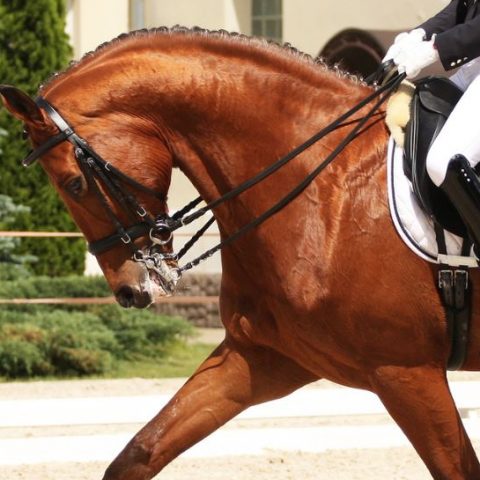
De Guillaume le Conquérant aux guerres napoléoniennes, les références aux chevaux dans l’Histoire de la Grande-Bretagne ne manquent nullement. Mais aujourd’hui, les célèbres équidés sont utilisés principalement dans le sport et le divertissement. Citons, au rang des disciplines équestres les plus répandues :
- le polo
- le saut d’obstacles
- le dressage
- l’attelage
- l’endurance
De Cheltenham à Ascot en passant par Aintree
Si l’on devait retenir quelques noms propres concernant le cheval en Angleterre avant un séjour linguistique équitation, il s’agirait peut-être des suivants :
- Cheltenham, station thermale du comté de Gloucestershire où se tient la mythique Cheltenham Gold Cup
- Aintree, théâtre de la non moins célèbre Aintree Racecourse, compétition tout proche de la ville de Liverpool
- l’Ascot Gold Cup, course hippique de plat se déroulant chaque mois de juin dans la petite ville éponyme
Un vocabulaire spécifique
Le cheval en Angleterre, c’est enfin un vocabulaire spécifique, que l’on se hâtera d’apprendre pendant son séjour linguistique équitation. Chestnut, canter, rider, groom : les exemples ne manquent pas !