
Avant un séjour linguistique adolescent aux USA, il convient de bien différencier, lorsque l’on parle des comics :
- les comic strips, ces vignettes que l’on trouve dans les quotidiens
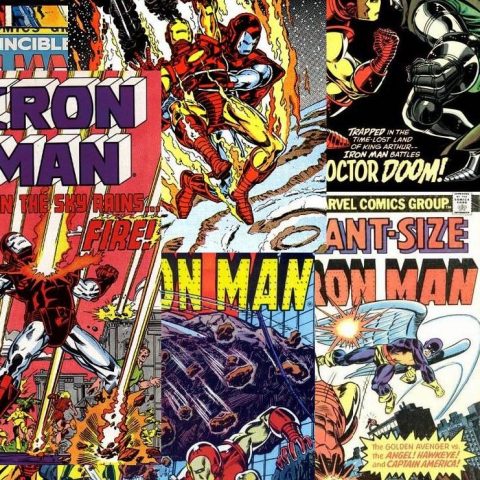
- les comic books, des mensuels spécialisés apparus à la fin des années 1930
Aujourd’hui, LEC s’arrête sur ces sacrosaintes bandes dessinées américaines – sans phylactère, mais avec le même panache !
Découvrir le comic strip lors de son séjour linguistique adolescent aux USA…
Calvin et Hobbes, Garfield, Peanuts ou encore Popeye – que LEC évoquait récemment en vous parlant d’un curieux village à Malte : les exemples de comics trips dont vous entendrez peut-être parler lors d’un séjour linguistique adolescent aux USA ne manquent pas. L’étymologie de l’expression ? Elle est fort simple : comic signifie comique, amusant, drôle. En effet, le comic strip, de sa naissance à aujourd’hui, n’a jamais perdu sa vocation à faire rire le lecteur, dans un format court et bref.
… ou se plonger dans l’univers des comic books
C’est moins le cas des comic books, qui ont cependant conservé cet adjectif à leur apparition. Nés peu avant le début de la Seconde Guerre mondiale, ces périodiques de quelques dizaines de pages racontent une histoire souvent touffue. Si le comic book couvre bien des genres, celui qui a réellement contribué à l’essor du format demeure le super-héros. Mais attention : avant un séjour linguistique adolescent aux USA, il vous faudra faire un choix entre DC Comics et Marvel Comics, les deux concurrents de toujours ayant respectivement mis au monde Spider-Man et Superman !