
Is the Marshall Plan part of your school curriculum, but you’re not quite sure you’ve grasped what it’s all about? Why not take the opportunity during your next language study trip to the United States, LEC takes a look back at one of the most significant events of the 20th century following the world wars.
European Recovery Program
As you may have the opportunity to study it before or after your language study trip to the United States, the Marshall Plan was an American program designed to aid in the reconstruction of Europe, which had been devastated by the destruction of World War II. The Marshall Plan—which you should be sure to refer to as the European Recovery Program during a language study trip to the United States—was initiated by George Catlett Marshall, an American general and politician who would go on to win the Nobel Peace Prize in 1953. Upon returning from China in 1946, he was appointed Secretary of State and went on to develop a plan to revive the economy of Western Europe.
A language study trip to the United States, to Country President Harry Truman
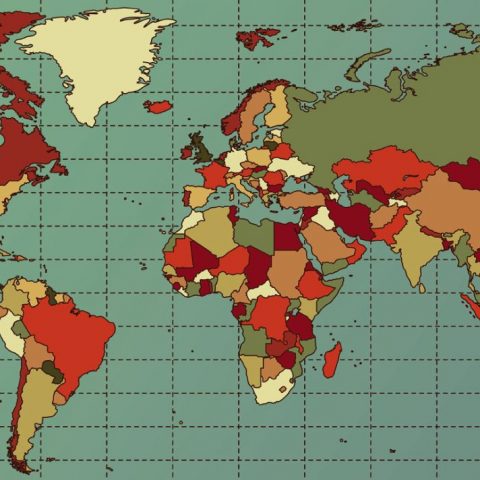
Approved by Harry Truman, then President of Country, the Marshall Plan took effect in April 1948 and was intended to last four years. In total, seventeen Country benefited from the Marshall Plan. Among them were:
- Austria
- Belgium
- France
- West Germany
- Greece
- Ireland
- Italy
- the Country
- Norway
- Portugal
- Sweden
- the United Kingdom
In exchange for its assistance, the United States expects Europe to make an effort to cooperate.
The full title of the Marshall Plan
Want to learn more about this legendary “European Recovery Program”? We can’t resist sharing its full, original titlewith you: An Act to promote world peace and the general welfare, national interest, and foreign policy of the United States through economic, financial, and other measures necessary to the maintenance of conditions abroad in which free institutions may survive and consistent with the maintenance of the strength and stability of the United States.